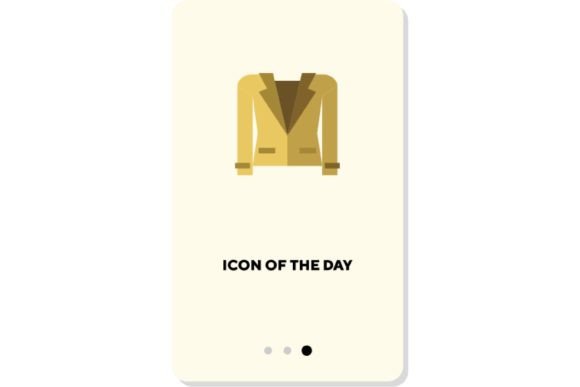
Coat and Jacket Flat Icons for Design
In the fast-paced world of digital communication, clarity is king. A well-crafted visual element can convey complex ideas instantly, bridging the gap between brand and consumer without a single word. This is where specialized assets like the Coat and Jacket Flat Icon. Leather, Fabr become indispensable tools for modern creators. These isolated vector illustrations do more than just decorate a page; they serve as functional symbols that enhance user experience and reinforce thematic consistency across various media platforms.
From a professional graphic design perspective, flat icons have evolved from simple placeholders into sophisticated components of visual identity. The specific combination of leather and fabric textures, rendered in a clean, flat style, offers a unique balance between realism and minimalism. This duality allows designers to maintain modern aesthetics while still providing enough detail to distinguish between different material types, which is crucial for e-commerce sites, fashion blogs, and retail branding.
Elevating Brand Identity Through Visual Consistency
When integrating clothing symbols into your creative projects, consistency is paramount. A Coat and jacket flat icon. Leather, fabric, clothes isolated vector should not exist in a vacuum. It must harmonize with your existing typography, color palette, and overall brand voice. Whether you are working on logo design or developing a comprehensive style guide, these elements help establish a recognizable visual language.
Consider the impact on brand identity. If your brand focuses on high-end outerwear, using a generic clip-art image can dilute your premium positioning. However, a custom-tailored vector symbol communicates attention to detail and quality. It signals to your audience that every aspect of your presentation, down to the smallest icon, has been carefully curated.
Practical Applications in Modern Design Workflows
The versatility of these vector illustration symbol elements for web design cannot be overstated. They are scalable, meaning they look crisp on a mobile screen and equally sharp on a large desktop monitor. Here are several key areas where these assets add significant value:
- UI and UX Design: Use distinct icons to categorize products in navigation menus, helping users filter between leather jackets and fabric coats intuitively.
- Social Media Graphics: Enhance engagement posts with clear, eye-catching visuals that stop the scroll and communicate the subject matter immediately.
- Digital Marketing Campaigns: Incorporate these symbols into email newsletters and banner ads to create a cohesive narrative around seasonal fashion trends.
- Packaging Design: Add subtle iconography to tags and labels to indicate material composition, aiding quick consumer decision-making.
- Editorial Layouts: Break up text-heavy articles in online magazines with relevant graphical elements that improve readability and visual hierarchy.
Optimizing Visual Hierarchy and User Engagement
Effective visual design is about guiding the viewer’s eye. When using a Coat and Jacket Flat Icon. Leather, Fabr, consider its placement relative to other content. In web design, these icons often serve as anchor points. They draw attention to call-to-action buttons or highlight key features in a product comparison chart. By maintaining a consistent stroke width and color scheme, you ensure that these elements support rather than distract from the primary message.
Moreover, the choice between leather and fabric representations can subtly influence user perception. Leather might evoke durability and luxury, while fabric suggests comfort and casual wear. Aligning these visual cues with your marketing goals ensures that your design works harder for your business. It is not just about aesthetics; it is about strategic communication.
Tips for Selecting and Using Design Assets
To maximize the impact of your creative assets, keep the following best practices in mind:
- Check Scalability: Ensure the vector file remains clean and editable at various sizes. Avoid raster images that pixelate when resized.
- Maintain Contrast: Verify that the icon stands out against its background. Adjust the color palette if necessary to meet accessibility standards.
- Ensure Relevance: Only use icons that directly relate to the content. Irrelevant graphics can confuse users and disrupt the design workflow.
- Test Across Devices: Preview your designs on multiple screens to ensure the details in the leather or fabric textures remain visible and effective.
Ultimately, the goal of incorporating high-quality vector illustrations is to streamline communication and enhance the professional presentation of your work. By thoughtfully selecting and applying these design elements, you create a more engaging, intuitive, and visually appealing experience for your audience. In an era where first impressions are digital, investing in precise, versatile, and stylish graphic resources is not just a nice-to-have—it is a fundamental component of successful visual storytelling.