Visualizing Nutrition: The Role of Exotic Nuts Flat Icons in Modern Web Design
In the rapidly evolving landscape of digital interface design, the ability to communicate complex information instantly is paramount. Users scan websites and applications rather than reading them word for word, relying heavily on visual cues to navigate content. This shift has elevated the importance of iconography from mere decoration to a critical component of user experience (UX). Among the various categories of icons, those representing food and health—specifically exotic nuts flat icons—have emerged as powerful tools for designers working in the culinary, wellness, and e-commerce sectors. These vector illustrations do more than adorn a screen; they serve as semantic anchors that help users identify products, understand nutritional value, and engage with content related to diet and lifestyle.
The specific inclusion of items like the pecan within these icon sets highlights a broader trend toward specificity in design. Rather than using a generic "nut" symbol, modern interfaces require distinct representations that differentiate between almonds, walnuts, cashews, and pecans. This level of detail is crucial for apps focused on allergen tracking, recipe management, or specialized dietary plans. When a designer utilizes an exotic nuts flat icon set, they are not just adding aesthetic value; they are enhancing the clarity and accessibility of their digital product.
The Strategic Value of Flat Design in Food Interfaces
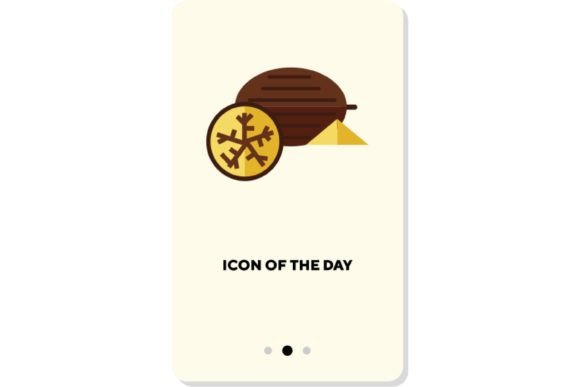
Flat design, characterized by minimalism, two-dimensional elements, and bright colors, has become the standard for web and mobile applications. Its popularity stems from its scalability and readability across various devices and screen sizes. When applied to food imagery, flat design strips away the photorealistic clutter that can slow down loading times and distract the user. Instead, it focuses on the essential shapes and colors that define an object. For instance, a pecan is instantly recognizable by its ridged, oval shape and warm brown tones. A well-crafted flat icon captures these essence features without unnecessary texture or shadow.
This approach is particularly effective for the food and health concept. Health-conscious consumers often seek quick information about ingredients. A clean, isolated vector sign allows for immediate recognition. Whether it is used in a calorie-counting app or an online grocery store, the simplicity of the flat icon ensures that the message is conveyed without cognitive overload. Furthermore, because these are vector illustrations, they remain crisp and clear regardless of scaling. This technical advantage means that a single asset can be used for a tiny favicon, a mobile app button, or a large banner on a desktop site without losing quality.
Enhancing User Engagement Through Specificity
One of the most significant advantages of using specialized icon sets, such as those featuring exotic nuts, is the ability to create a more engaging and trustworthy user interface. Generic icons can feel impersonal and low-effort, potentially undermining the perceived quality of a brand. In contrast, specific icons demonstrate attention to detail. When a user sees a distinct icon for a macadamia nut versus a Brazil nut, they perceive the platform as knowledgeable and comprehensive. This is especially important for businesses selling premium or niche products.
Consider the use case of a subscription box service specializing in global snacks. The landing page might feature a grid of icons representing the contents of each month’s box. If the icons are generic, the user cannot distinguish between different types of treats. However, if the design incorporates high-quality vector illustration symbol elements that accurately depict exotic varieties, the visual appeal increases significantly. This specificity helps users make informed decisions quickly, reducing bounce rates and increasing conversion potential. The dessert category, in particular, benefits from this distinction, as users often look for specific indulgences like chocolate-covered pecans or candied walnuts.
Applications Across Industries
The utility of exotic nuts flat icons extends far beyond simple food blogs. These assets are versatile tools that can be integrated into various digital ecosystems. Understanding where and how to apply them can help designers and business owners maximize their impact.
- E-Commerce Platforms: Online grocery stores and specialty food retailers use these icons to categorize products. A clear icon for "Pecans" allows users to filter search results efficiently. It also serves as a visual badge for product listings, highlighting key ingredients at a glance.
- Nutrition and Fitness Apps: Applications that track macro-nutrients rely on quick input methods. Icons allow users to log their food intake faster than typing. Distinct icons for different nuts help users accurately record their consumption of healthy fats and proteins.
- Recipe Management Software: Digital cookbooks and recipe apps use icons to list ingredients. This visual list helps users check their pantry before starting to cook. An isolated vector sign for each ingredient ensures that the list is easy to scan and understand.
- Educational Content: Blogs and articles about nutrition benefit from visual breaks. Icons can illustrate the benefits of different nuts, making complex nutritional data more digestible for readers. For example, an article comparing the antioxidant levels of various nuts can use icons to represent each type, aiding in comparison.
Technical Considerations for Implementation
When integrating exotic nuts flat icon assets into a project, technical optimization is key. Since these are vector illustrations, they are typically saved in formats like SVG (Scalable Vector Graphics). SVGs are ideal for web design because they are lightweight and code-based, allowing for easy manipulation via CSS. Designers can change the color of an icon to match a brand’s palette or add hover effects to enhance interactivity. For instance, a pecan icon might change shade when a user hovers over it, providing subtle feedback that improves the overall user experience.
It is also important to consider accessibility. While icons are visually appealing, they must be accompanied by appropriate alt text or ARIA labels for screen readers. This ensures that users with visual impairments can still understand the content. For example, an icon of a pecan should have alt text that reads "Pecan nut" rather than leaving it blank or using a generic description. This practice aligns with inclusive design principles and broadens the reach of the digital product.
The Intersection of Aesthetics and Nutrition
The rise of health-conscious consumerism has changed how food is marketed online. There is a growing demand for transparency and clarity regarding what we eat. Nutrition isolated vector signs play a pivotal role in meeting this demand. By visually separating ingredients, designers can highlight the natural and wholesome aspects of food products. This is particularly relevant for exotic nuts, which are often marketed as superfoods due to their high nutrient density.
Using a clean, flat icon to represent a nut emphasizes its natural state. Unlike photographic images that might include packaging or branding, an isolated icon focuses solely on the food item. This purity aligns with the values of many health-focused brands. It suggests simplicity, honesty, and quality. When combined with other health-related icons, such as those for vitamins or exercise, these nut icons contribute to a cohesive visual narrative that promotes a healthy lifestyle.
Moreover, the aesthetic appeal of these icons can influence perceived taste and quality. Research in sensory marketing suggests that visual presentation affects how consumers anticipate the flavor of food. A well-designed, attractive icon for a dessert ingredient like a pecan can evoke positive associations and increase desire. This psychological effect is a powerful tool for marketers and designers aiming to drive engagement and sales.
Future Trends in Food Iconography
As technology advances, the role of icons in digital interfaces will continue to evolve. We are seeing a move towards more dynamic and interactive icons. For example, animated icons that show the cracking of a nut or the pouring of honey can add a layer of delight to the user experience. However, the foundation of these animations remains the static vector illustration. Therefore, investing in high-quality base assets, such as an exotic nuts flat icon set, is a future-proof strategy.
Additionally, the globalization of food culture means that designers will need to represent an increasingly diverse range of ingredients. Icons for exotic and less common nuts will become more standard in mainstream design libraries. This trend reflects the broader curiosity of consumers who are eager to explore new flavors and textures. Designers who stay ahead of this curve by incorporating diverse and specific food icons will be better positioned to serve a global audience.
In conclusion, the integration of exotic nuts flat icons into web and app design is not merely a stylistic choice but a strategic decision that enhances usability, engagement, and brand perception. By leveraging the clarity of flat design and the specificity of vector illustrations, creators can build interfaces that are both beautiful and functional. Whether for e-commerce, education, or health tracking, these small visual elements play a big role in shaping how users interact with digital content. As the digital landscape continues to prioritize speed, clarity, and accessibility, the demand for high-quality, specialized iconography will only grow. Designers and business owners who recognize the value of these assets will find themselves better equipped to meet the needs of their audiences and stand out in a crowded market.