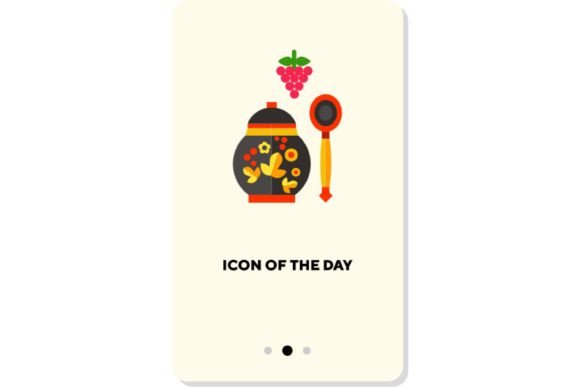
Integrating Russian Culture Symbol Flat Vector Icons into Modern Design Workflows
In the rapidly evolving landscape of digital design, the demand for culturally specific yet universally understandable visual assets has never been higher. Designers, marketers, and content creators are increasingly tasked with communicating complex cultural narratives through simple, scalable graphics. This is where the Russian culture symbol flat vector icon becomes an essential component of a modern creative toolkit. Whether you are developing a travel app, designing educational materials about Slavic heritage, or branding a business with Eastern European roots, understanding how to effectively integrate these symbols into your workflow can significantly enhance both aesthetic appeal and user engagement.
The concept of using a Khokhloma isolated sign or other traditional motifs as a flat vector element is not merely about decoration. It is about creating a visual shorthand that respects ethnic identity while adhering to contemporary design standards. For professionals aged 20 to 50 who manage projects ranging from web development to print publishing, the ability to source, modify, and implement these assets efficiently is a valuable skill. This article explores the practical implementation of Russian cultural symbols in your design process, focusing on usability, consistency, and technical integration.
Understanding the Asset: Beyond Aesthetics
Before diving into the technical aspects of implementation, it is crucial to understand what constitutes a high-quality Russian culture symbol flat vector icon. Unlike raster images, vector illustrations are built on mathematical paths, allowing them to be scaled infinitely without losing clarity. This makes them ideal for responsive web design, where an icon must look crisp on a mobile phone screen and a large desktop monitor alike.
When we refer to Slavs culture and ethnicity concepts in this context, we are talking about stylized representations of traditional elements. These might include the distinctive red, black, and gold patterns of Khokhloma painting, the geometric shapes of Gzhel ceramics, or simplified outlines of iconic architecture like Saint Basil’s Cathedral. The "flat" design style strips away unnecessary shadows and gradients, focusing on clean lines and solid colors. This approach ensures that the symbol remains legible even at small sizes, a critical factor for app interfaces and navigation menus.
For educators and publishers, these vectors serve as more than just decorative elements; they are educational tools. A well-designed icon can instantly convey a theme or topic, helping learners associate visual cues with cultural concepts. Therefore, the selection of the right symbol is the first step in a successful project workflow.
Pre-Production: Selection and Compatibility
The integration of cultural symbols begins long before you open your design software. During the planning phase, you must assess the compatibility of the chosen icon with your overall brand identity or project goals. Ask yourself: Does this Russian culture symbol flat vector icon align with the tone of my message? Is it respectful and accurate?
One common pitfall is selecting assets that are too detailed for their intended use. A complex Khokhloma pattern might look beautiful in a large banner but become a muddy blur when used as a favicon or a button icon. To avoid this, prioritize simplicity. Look for vectors that have been optimized for web and app use. This often means checking the number of anchor points in the file; fewer points usually result in smaller file sizes and faster loading times, which is crucial for user experience and SEO.
Additionally, consider the color palette. Traditional Russian folk art is known for its vibrant contrasts. However, your project may require a muted or monochromatic scheme. Ensure that the vector file you choose is easy to recolor. Most professional vector formats, such as SVG or AI, allow for easy manipulation of fill and stroke colors, enabling you to adapt the asset to your specific design system without losing its cultural essence.
Implementation in Web and App Design
Once you have selected the appropriate assets, the next phase is implementation. For web designers and developers, the primary format of choice should be SVG (Scalable Vector Graphics). SVGs are code-based, meaning they can be manipulated directly via CSS or JavaScript. This offers unparalleled flexibility. For instance, you can create hover effects where a Russian culture symbol flat vector icon changes color or animates slightly when a user interacts with it, adding a layer of polish to the user interface.
When integrating these icons into mobile applications, consistency is key. If you are using a Khokhloma-inspired icon for one section of your app, ensure that all other icons share the same line weight, corner radius, and visual style. Inconsistencies can disrupt the user’s cognitive flow and make the application feel unprofessional. Create a style guide that defines how these cultural elements should be used across different screens and states.
Moreover, consider accessibility. While cultural symbols are visually striking, they must also be functional. Always include appropriate alt text for screen readers. Instead of just labeling an image as "icon," describe its function or meaning, such as "Traditional Russian folk art pattern representing hospitality." This practice not only improves accessibility for users with disabilities but also enhances your site’s SEO by providing context to search engines.
Workflow Efficiency and Organization
For freelancers and small business owners, time is a precious resource. Efficiently managing your library of cultural assets can save hours of work over the course of a year. Establish a standardized naming convention for your files. For example, name your files descriptively: ru-khokhloma-icon-flat-v1.svg. This makes it easier to search for specific assets later, especially when working on multiple projects simultaneously.
Consider creating a master component library if you use design tools like Figma, Sketch, or Adobe XD. By converting your Russian culture symbol flat vector icon into a reusable component, you ensure that any updates made to the master file are automatically reflected across all instances in your design. This is particularly useful for maintaining brand consistency when working with teams or handing off designs to developers.
Another practical tip is to optimize your vectors before export. Use tools to remove unused layers, hidden objects, and metadata that can bloat file sizes. Clean files load faster and are easier for developers to implement. This attention to detail reflects a professional approach to project management and quality control.
Long-Term Use and Cultural Sensitivity
Using cultural symbols carries a responsibility to represent them accurately and respectfully. As you integrate these elements into your long-term branding or content strategy, stay informed about the cultural significance of the symbols you use. Avoid appropriating sacred or deeply significant motifs in trivial contexts. Engaging with cultural experts or conducting thorough research can help ensure that your use of Slavic culture and ethnicity concepts is authentic and appreciated.
Furthermore, trends in design evolve. While flat design is currently dominant, being prepared to adapt your assets to new styles is wise. Because you are working with vectors, this adaptation is straightforward. You can easily add depth, texture, or animation to your existing icons if design trends shift towards neomorphism or 3D styles in the future. This longevity makes vector assets a smart investment for any creator.
Conclusion
Incorporating a Russian culture symbol flat vector icon into your design projects is more than a stylistic choice; it is a strategic decision that can enhance communication, improve user experience, and celebrate cultural heritage. By focusing on preparation, technical compatibility, and organized workflows, you can seamlessly integrate these assets into your professional routine. Whether you are building a website, designing an app, or creating educational content, the thoughtful use of vector illustrations allows you to convey complex cultural ideas with clarity and elegance. Remember that the goal is not just to decorate, but to connect with your audience through meaningful and well-executed visual language.