Integrating the Video Message Flat Vector Icon into Modern Digital Communication Workflows
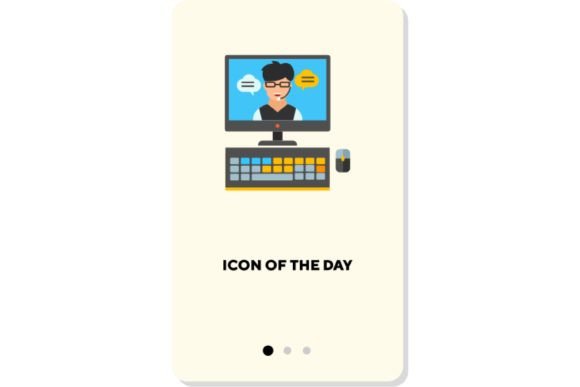
In the rapidly evolving landscape of digital design and user experience, visual consistency is not merely an aesthetic preference; it is a functional necessity. As businesses and creators migrate toward more dynamic forms of interaction, the video message flat vector icon has emerged as a critical asset in interface design. This specific graphical element, often depicting a camera or play button within a speech bubble or frame, serves as a universal signifier for video conferencing, asynchronous video messaging, and real-time connection. Understanding how to effectively implement this icon within broader design systems requires more than just downloading a file; it demands a strategic approach to workflow integration, scalability, and user cognition.
The Role of Visual Symbols in Communication Technology
Before diving into technical implementation, it is essential to recognize where the video message flat vector icon fits within the hierarchy of digital communication tools. In modern applications, users are bombarded with information. Cognitive load theory suggests that reducing the mental effort required to interpret interface elements leads to higher engagement and lower error rates. A well-designed vector icon acts as a shorthand, instantly conveying the concept of "video call" or "record message" without the need for lengthy text labels.
This symbol is particularly vital in contexts involving remote work, telehealth, online education, and customer support. When a user sees this isolated sign, they immediately understand the available mode of interaction. Whether it is embedded in a mobile app for freelancers coordinating with clients or on a corporate dashboard for internal meetings, the icon bridges the gap between intent and action. Its flat design style ensures that it remains legible across various screen resolutions and background colors, maintaining clarity without distracting from the primary content.
Pre-Implementation: Planning and Asset Selection
The successful integration of any design asset begins with careful preparation. When selecting a conference and video message flat vector icon, designers and project managers must consider several factors to ensure long-term usability and brand consistency.
- Style Consistency: The icon must align with the existing design language of the application or website. If the current interface uses rounded corners and soft shadows, a sharp, angular icon will create visual dissonance. Evaluate the stroke width, corner radius, and overall weight of the vector to ensure it matches other UI elements.
- Scalability Requirements: Vector formats such as SVG (Scalable Vector Graphics) are preferred because they retain quality at any size. Determine where the icon will be used—favicon, mobile button, or desktop header—and ensure the source file is optimized for these varying dimensions.
- Semantic Clarity: Not all video icons are created equal. Some imply live streaming, others suggest recorded messages, and some denote video conferencing. Choose a symbol that accurately reflects the specific function it triggers to avoid user confusion.
During this planning phase, it is also crucial to audit existing assets. Many organizations suffer from "icon sprawl," where multiple versions of similar symbols exist due to lack of centralized management. Establishing a single source of truth for the video message flat vector icon prevents redundancy and ensures that updates can be propagated efficiently across all platforms.
Integration into Design and Development Workflows
Once the appropriate asset is selected, the next step is seamless integration into the development pipeline. This process involves both design tools and code repositories, requiring collaboration between designers, developers, and product managers.
Design System Management
For teams utilizing design systems, the video conference icon should be stored as a component rather than a static image. This allows for easy manipulation of color, size, and state (hover, active, disabled) without altering the underlying geometry. By treating the icon as a modular element, designers can quickly prototype new features involving video communication. For instance, if a new feature allows users to send video replies to comments, the designer can drag and drop the standardized icon into the mockup, ensuring it adheres to spacing and alignment guidelines automatically.
Technical Implementation and Optimization
From a development perspective, efficiency is key. Embedding SVG code directly into HTML or CSS sprites reduces HTTP requests, improving page load times—a critical factor for user retention. Developers should ensure that the video message flat vector icon is accessible. This includes adding appropriate ARIA labels so that screen readers can identify the element as a "Start Video Call" button for visually impaired users. Furthermore, the icon should be responsive, adjusting its size and position based on the viewport to maintain usability on mobile devices versus desktop screens.
Compatibility testing is another vital step. The icon must render correctly across different browsers and operating systems. While SVG support is widespread, fallbacks may be necessary for legacy systems. Regular quality control checks should be scheduled to verify that updates to the design system do not break the visual integrity of the icon in production environments.
Practical Use Cases and Workflow Examples
Understanding the theoretical benefits is useful, but seeing how the conference and video message flat vector icon functions in real-world scenarios provides deeper insight into its value. Here are three common workflows where this asset plays a pivotal role.
- Remote Team Collaboration Platforms: In project management tools, integrating a video icon next to task assignments allows team members to initiate quick clarifications without leaving the context of the task. This reduces friction and keeps communication tied to specific deliverables, enhancing productivity and reducing email clutter.
- E-Learning and Educational Apps: Educators often use asynchronous video feedback to grade assignments. Placing a prominent video message icon in the student’s dashboard signals that personalized feedback is available. This personal touch increases student engagement and perceived value of the course, demonstrating how a simple visual cue can impact emotional connection and learning outcomes.
- Customer Support Interfaces: For high-touch services, offering a video support option can differentiate a brand. When a user encounters a complex issue, clicking the video icon to connect with a support agent can resolve problems faster than text-based chat. The icon serves as a gateway to premium service, signaling availability and human connection.
In each of these examples, the icon is not just a decorative element; it is a functional trigger that facilitates a specific business outcome. Its placement, visibility, and design directly influence user behavior and satisfaction.
Maintaining Quality and Long-Term Usability
As digital products evolve, so too must their visual assets. The video message flat vector icon should not be considered a "set and forget" element. Regular audits are necessary to ensure it remains relevant and effective. Changes in brand identity, updates to accessibility standards, or shifts in user behavior may necessitate redesigns or adjustments.
Documentation is crucial for long-term maintenance. Create clear guidelines on how and when to use the icon. Specify acceptable color variations, minimum sizes, and prohibited modifications. This empowers new team members to integrate the asset correctly without needing constant supervision, preserving the integrity of the design system over time.
Furthermore, stay informed about emerging trends in interface design. While flat design is currently dominant, subtle shifts toward neumorphism or glassmorphism may occur. Being adaptable allows you to update the icon’s style while retaining its semantic meaning, ensuring your product feels modern and professional.
Conclusion: Strategic Value of Visual Consistency
The video message flat vector icon is more than a simple graphic; it is a foundational component of modern digital communication strategies. By approaching its selection, integration, and maintenance with a process-oriented mindset, professionals can enhance user experience, improve operational efficiency, and strengthen brand identity. Whether you are a freelancer building a personal portfolio, a marketer optimizing a landing page, or a developer constructing a complex enterprise application, paying attention to these details yields significant returns. Embrace the power of clear, consistent visual language to streamline workflows and foster meaningful connections in an increasingly digital world.