Robotic Arms Flat Icon: Control, Mechanism, and Industrial Design
In the rapidly evolving landscape of digital design, visual communication plays a pivotal role in conveying complex technological concepts quickly and effectively. One such essential visual asset is the robotic arms flat icon. This specific graphic element represents control, mechanism, and machine isolated signs, serving as a cornerstone for web design projects centered around machinery, production, and industrial technology. As businesses and developers seek to modernize their user interfaces, understanding the utility, aesthetic value, and strategic application of these vector illustration symbols becomes crucial for making informed design decisions.
Understanding the Robotic Arms Flat Icon
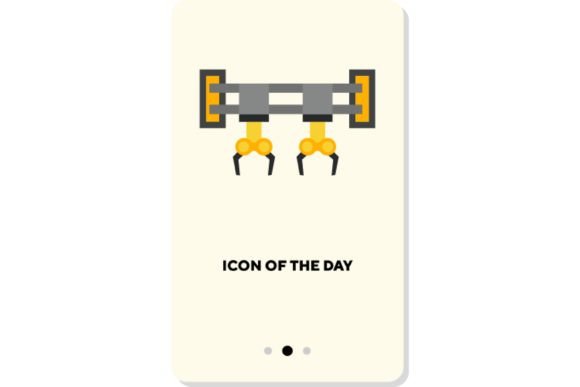
A robotic arms flat icon is a simplified, two-dimensional representation of an industrial robotic manipulator. Unlike three-dimensional renders or photorealistic images, flat icons utilize minimalistic design principles, focusing on clean lines, solid colors, and geometric shapes. The term "flat" refers to the absence of gradients, shadows, or textures that create depth, resulting in a crisp and modern appearance. When we discuss control, mechanism, and machine isolated signs, we are referring to icons that depict not just the physical arm, but often include elements suggesting automation, precision, and technological oversight.
These icons are typically created as vector illustrations. This means they are composed of mathematical paths rather than pixels, allowing them to be scaled to any size without losing quality. This scalability is vital for responsive web design, where an icon must look sharp on a high-resolution smartphone screen as well as a large desktop monitor. The isolation of the sign ensures that the icon can be placed on various background colors without visual conflict, offering designers maximum flexibility.
Why Choose Flat Icons for Industrial Technology Concepts?
The decision to use a robotic arms flat icon over other visual styles is often driven by the need for clarity and speed in communication. In the context of machinery, production, and industrial technology, concepts can be inherently complex. A detailed illustration of a factory floor might overwhelm a user, whereas a simple icon instantly communicates the idea of automation or manufacturing.
- Immediate Recognition: Flat icons leverage universal visual languages. A stylized robotic arm is immediately recognizable as a symbol for automation, reducing cognitive load for the user.
- Modern Aesthetic: The flat design trend aligns with contemporary user interface standards, providing a clean and professional look that enhances brand credibility.
- Performance Efficiency: Vector files are generally smaller in file size compared to high-resolution raster images. This contributes to faster page load times, which is a critical factor for search engine optimization (SEO) and user retention.
Evaluating Benefits and Tradeoffs
When evaluating whether to integrate a robotic arms flat icon into your project, it is important to weigh the benefits against potential limitations. The primary benefit lies in versatility. These vector illustration symbol elements for web design can be easily customized. Designers can change colors to match brand guidelines, adjust stroke widths for visibility, or modify components to fit specific contextual needs.
However, there are tradeoffs to consider. The simplicity of flat design means that intricate mechanical details are omitted. If the goal is to showcase the specific engineering nuances of a particular robot model, a flat icon may be too abstract. In such cases, a technical diagram or a 3D render might be more appropriate. Additionally, because flat icons are widespread, there is a risk of genericness. To mitigate this, designers should look for unique stylistic touches or custom modifications that differentiate their icons from standard stock libraries.
Ideal Use Cases for Robotic Arms Icons
Identifying the right situation for using these icons helps ensure they add value rather than clutter. The robotic arms flat icon is a strong fit in several specific scenarios:
- Navigation Menues: In industrial software or manufacturing company websites, these icons serve as intuitive markers for sections related to automation services, product catalogs, or technical support.
- Feature Highlights: When listing key capabilities of a production line, such as "Precision Control" or "Automated Assembly," a corresponding icon breaks up text and draws attention to key selling points.
- Infographics and Data Visualization: In reports detailing production efficiency or robotics adoption rates, these icons act as visual anchors that make data more engaging and easier to digest.
- Mobile Applications: Given their scalability and simplicity, flat icons are ideal for mobile interfaces where screen real estate is limited and touch targets need to be clear.
When to Consider Alternatives
While versatile, flat icons are not a one-size-fits-all solution. There are situations where alternatives may be worth considering. For instance, if the target audience consists of highly specialized engineers who require precise visual data, a schematic blueprint or a detailed CAD rendering might be more effective. Similarly, for marketing materials aiming to evoke an emotional response or a sense of futuristic innovation, a dynamic 3D animation or a photographic image of a robot in action might convey the message more powerfully.
Furthermore, if the brand identity is rooted in traditional, heritage-based manufacturing rather than modern tech, a more illustrative or vintage-style graphic might align better with the overall tone. It is essential to ensure that the visual style of the icon harmonizes with the broader design language of the platform.
Practical Decision-Making Insights
To determine whether a robotic arms flat icon aligns with your goals, consider the following practical steps:
Assess Context: Ask yourself what action you want the user to take. If the goal is quick navigation or information scanning, a flat icon is ideal. If the goal is deep technical understanding, supplement the icon with detailed text or diagrams.
Check Consistency: Ensure that the robotic arm icon matches the style of other icons in your set. Mixing flat icons with outlined or 3D icons can create a disjointed user experience. Look for comprehensive icon packs that offer a cohesive look across various industrial themes.
Verify Licensing and Format: When selecting vector illustrations, confirm that the license allows for your intended use, whether commercial or personal. Prefer formats like SVG (Scalable Vector Graphics) for web use, as they are code-based, editable, and highly performant.
Test for Accessibility: Ensure that the icon has sufficient contrast against its background. If the icon conveys critical information, provide alternative text (alt text) for screen readers to ensure accessibility for all users.
Conclusion
The robotic arms flat icon is more than just a decorative element; it is a functional tool for enhancing user experience in industrial and technological contexts. By representing control, mechanism, and machine concepts through clean, scalable vector illustrations, these icons facilitate clearer communication and faster navigation. While they may not suit every scenario, particularly those requiring high-detail technical visualization, their benefits in terms of performance, aesthetics, and usability make them a valuable asset for modern web design. By carefully evaluating your specific needs, audience expectations, and design consistency, you can effectively leverage these symbols to strengthen your digital presence in the machinery and production sectors.