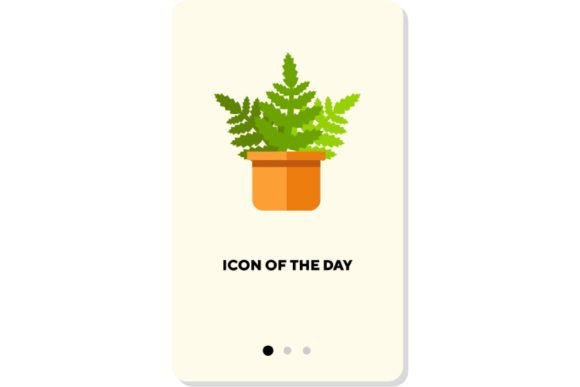
Plants Flat Icon: Houseplant, Herbal Cap
In the evolving landscape of digital design, simplicity often speaks louder than complexity. The Plants Flat Icon. Houseplant, Herbal Cap represents a convergence of nature and minimalism, offering designers a versatile tool for communicating concepts related to wellness, sustainability, and organic living. This vector illustration symbol is not merely a decorative element; it is a functional asset that bridges the gap between abstract ideas and user understanding. By isolating specific elements like the houseplant, herbal capsule, and cacti, this icon set provides a clear visual language that resonates with modern audiences who value clarity and aesthetic harmony.
The Power of Minimalist Nature Symbols
Flat design has dominated web and mobile interfaces for over a decade, and its longevity is due to its efficiency. When applied to natural subjects, such as the houseplant or herbal capsule, flat icons strip away unnecessary textures and shadows. This reduction allows the core shape and color to carry the message. For creators and marketers, this means faster load times and immediate recognition. The Plants Flat Icon. Houseplant, Herbal Cap leverages this principle by presenting isolated signs that are instantly identifiable.
Consider the psychological impact of these symbols. A potted plant suggests growth, care, and domestic tranquility. An herbal capsule implies health, science, and natural remedies. When combined in a cohesive icon set, they create a narrative of holistic well-being. This is particularly valuable for brands in the health, wellness, and eco-friendly sectors. Using a consistent visual style across these elements ensures that the brand identity remains strong and recognizable, regardless of the platform.
Creative Applications for Designers and Marketers
The versatility of the Plants Flat Icon. Houseplant, Herbal Cap extends far beyond simple decoration. For web designers, these vector elements are essential for creating intuitive navigation systems. Instead of using text-heavy menus, designers can incorporate these icons to guide users through sections related to home decor, health supplements, or gardening tips. The isolated nature of the signs allows for easy integration into various layouts without cluttering the interface.
- User Interface (UI) Design: Use the houseplant icon to represent "Home" or "Living Space" categories in e-commerce apps. The herbal capsule can serve as a button for "Health" or "Wellness" blogs.
- Infographics: Break down complex data about plant care or supplement benefits using these icons as visual anchors. They help chunk information, making it digestible for readers.
- Social Media Graphics: Create cohesive post templates for Instagram or Pinterest. The cacti isolated sign, for instance, can highlight drought-resistant plants or low-maintenance lifestyle tips.
- Presentation Decks: Enhance pitch decks for startups in the agritech or pharma industries. These icons add a professional yet approachable touch to slides discussing product lines or market trends.
For entrepreneurs and small business owners, consistency is key. By adopting a unified icon set like the Plants Flat Icon. Houseplant, Herbal Cap, you ensure that your website, app, and marketing materials speak the same visual language. This consistency builds trust and reinforces brand recall. Whether you are launching a new line of organic supplements or a blog about indoor gardening, these symbols provide a foundational aesthetic that aligns with your values.
Adapting Icons for Different Audiences and Platforms
One size does not fit all in digital design. The way you utilize the Plants Flat Icon. Houseplant, Herbal Cap should vary depending on your target audience and the platform you are using. For a younger demographic interested in sustainable living, bright, vibrant colors might be more appealing. For a professional healthcare audience, muted tones and clean lines may convey authority and reliability.
On mobile devices, space is at a premium. The isolated sign format of these icons makes them ideal for touch interfaces. Users can quickly tap on a cactus icon to filter search results for succulents, or click on a herbal capsule to view product details. The simplicity of the flat design ensures that these icons remain legible even at small sizes. Conversely, on desktop websites, these same icons can be enlarged and used as part of hero sections or feature highlights, accompanied by brief explanatory text.
Educators and publishers can also benefit from these visual tools. In online courses about botany or nutrition, these icons can serve as module markers. They help students navigate content efficiently and provide visual cues that reinforce learning objectives. By integrating the Plants Flat Icon. Houseplant, Herbal Cap into educational materials, you create a more engaging and interactive learning experience.
Maintaining Clarity and Consistency in Design
While creativity is essential, clarity should never be compromised. When using vector illustration symbol elements for web design, it is crucial to maintain visual consistency. This means ensuring that all icons in a set share the same stroke width, color palette, and perspective. The Plants Flat Icon. Houseplant, Herbal Cap set is designed with these principles in mind, but when customizing or combining them with other elements, keep these guidelines in mind:
- Uniform Styling: If you modify the colors, apply the same changes to all icons in the set. Avoid mixing flat icons with detailed illustrations, as this creates visual dissonance.
- Proportional Balance: Ensure that the houseplant, herbal capsule, and cacti are scaled appropriately relative to each other. No single element should dominate unless intended for emphasis.
- Contextual Relevance: Only use icons that directly relate to the content. Do not include a cactus icon in a section about tropical ferns, as this may confuse the user.
- Accessibility: Always include alt text for images. Describe the icon’s function, not just its appearance. For example, use "Herbal supplement category" instead of "Green capsule icon."
By adhering to these practices, you ensure that your design remains user-friendly and effective. The goal is to enhance the user experience, not distract from it. The Plants Flat Icon. Houseplant, Herbal Cap serves as a foundation, but its success depends on how thoughtfully it is implemented.
Exploring Variations and Future Trends
Design trends are constantly evolving, and flat design is no exception. We are seeing a shift towards "flat 2.0," which incorporates subtle gradients and shadows to add depth while maintaining simplicity. The Plants Flat Icon. Houseplant, Herbal Cap can be adapted to fit this trend by adding slight dimensional effects. This can make the icons feel more tactile and engaging without sacrificing their clean aesthetic.
Furthermore, the rise of dark mode interfaces requires designers to consider how icons appear against different backgrounds. Light-colored icons may need adjustment to ensure visibility on dark screens. Testing your icons in various contexts is essential to maintain their effectiveness. The vector format of these symbols makes them easy to edit and adapt, allowing designers to experiment with different styles and configurations.
For freelancers and agencies, staying ahead of these trends can provide a competitive edge. Offering clients customized icon sets based on the Plants Flat Icon. Houseplant, Herbal Cap framework demonstrates attention to detail and a commitment to modern design standards. It shows that you understand not just the aesthetics, but the functional requirements of contemporary digital products.
Ultimately, the value of these icons lies in their ability to communicate complex ideas simply. Whether you are designing a website for a local nursery or a global health brand, the right visual elements can make all the difference. The Plants Flat Icon. Houseplant, Herbal Cap offers a reliable, versatile, and aesthetically pleasing solution for anyone looking to bring a touch of nature into their digital projects. By leveraging these tools effectively, you can create designs that are not only beautiful but also meaningful and impactful.